会員様にご利用いただける
さまざまな施設をご用意しております









- 21 Mar 2024お知らせ【教育部】2024年第1回実用英語技能検定(英検)申込期限のお知らせ
- 23 Apr 2024イベント【文化部】2024年5月 古本セール開催のご案内
- 23 Apr 2024講座【文化部】講座案内一覧
- 17 Apr 2024イベント【夏まつり実行委員会】夏まつりボランティアTシャツデザイン募集
- 17 Apr 2024イベント【夏まつり実行委員会】夏まつり2024 出店ブース募集
- 23 Apr 2024イベント【夏まつり実行委員会】夏まつり2024 ステージパーフォーマンス参加者募集!
- 21 Mar 2024お知らせ【教育部】2024年第1回実用英語技能検定(英検)申込期限のお知らせ
- 23 Apr 2024お知らせ【お知らせ】2024年度新会長挨拶
- 22 Mar 2024お知らせ【F&B部】茜 端午の節句・お祝い重 お持ち帰り販売のご案内
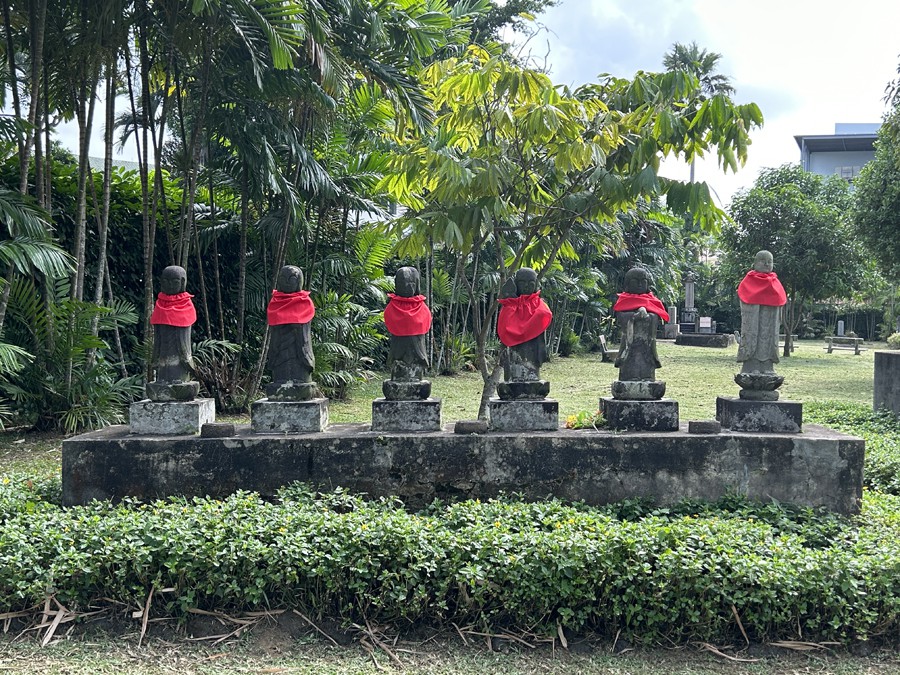
- 20 Mar 2024お知らせ【史蹟史料部】日本人墓地公園 ニュースレター <第51回 佐々木賢一の顕彰碑>
- 01 Apr 2024お知らせ【お知らせ】フロント正社員・パートタイム募集のお知らせ
- 16 Apr 2024お知らせ【クラブハウス部】携帯電話充電用ポータブルバッテリー貸出機に関するお知らせ
- 23 Apr 2024イベント【文化部】2024年5月 古本セール開催のご案内
- 17 Apr 2024イベント【夏まつり実行委員会】夏まつりボランティアTシャツデザイン募集
- 17 Apr 2024イベント【夏まつり実行委員会】夏まつり2024 出店ブース募集
- 23 Apr 2024イベント【夏まつり実行委員会】夏まつり2024 ステージパーフォーマンス参加者募集!
- 23 Apr 2024イベント【文化部】第9回 日本人会講座発表会開催
- 02 Apr 2024イベント【会友部】こどもの日パーティー
- 23 Apr 2024講座【文化部】講座案内一覧
- 23 Apr 2024講座【文化部】6月オススメ講座のお知らせ(2024年)
- 20 Mar 2024講座【文化部】5月オススメ講座のお知らせ(2024年)
- 23 Feb 2024講座【文化部】4月オススメ講座のお知らせ(2024年)
- 17 Apr 2024講座【文化部】お子様専用の講座ご紹介
- 31 Mar 2023講座【コンピューター委員会、文化部】講座申込システムの画面改善のお知らせ
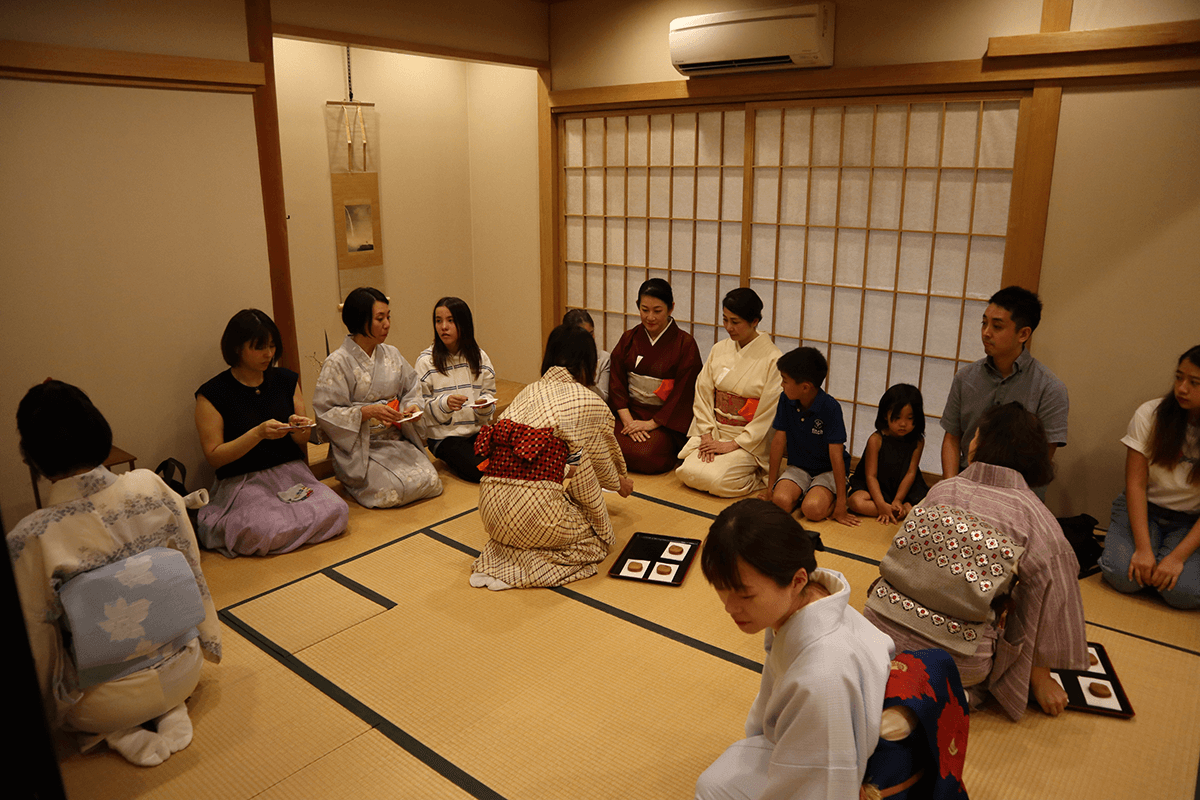
- 23 Apr 2024同好会【文化部】茶道同好会 「四季茶会」
- 19 Mar 2024同好会【文化部】第76回 こどもおたのしみ会
- 17 Apr 2024同好会【文化部】男声合唱団の新入部員募集
- 23 Feb 2024同好会【史蹟史料部】歴史友の会 部員募集
- 04 Feb 2022同好会【史蹟史料部】自然友の会 新入会員募集
- 02 Jun 2021同好会【同好会】同好会部員募集
FACILITY
施設紹介
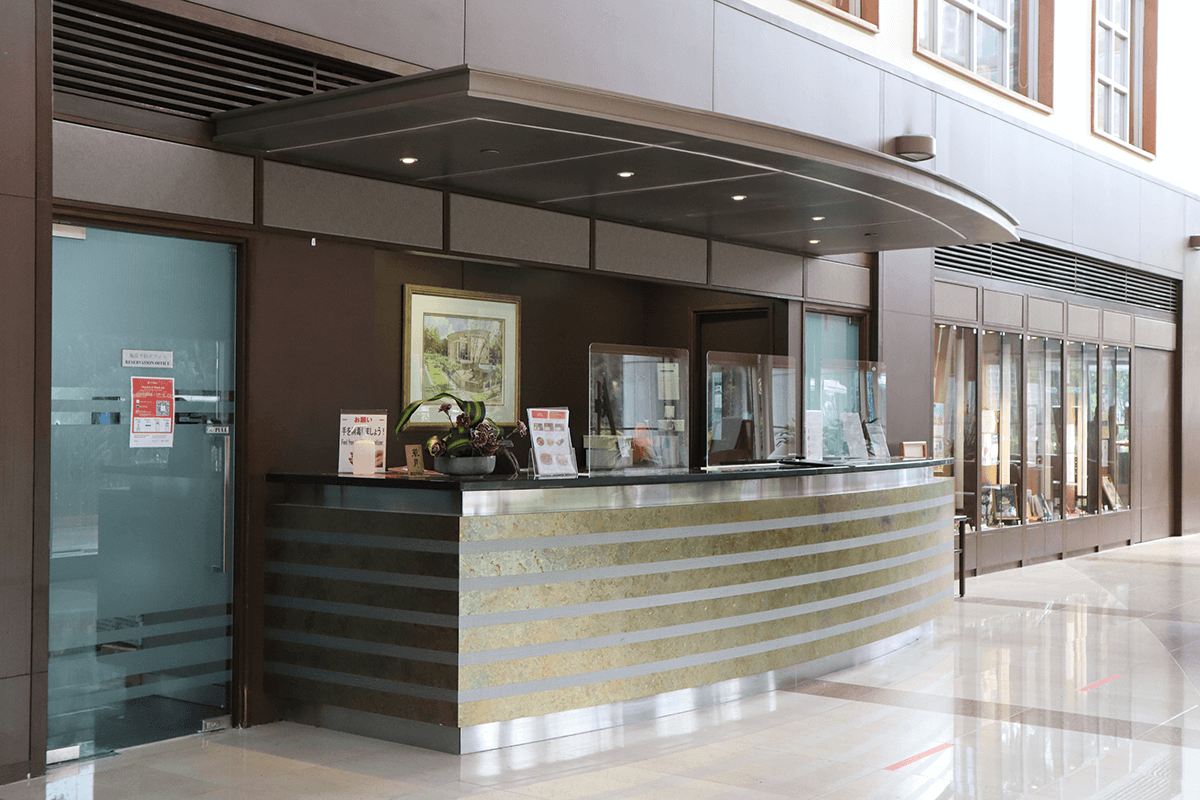
フォーマルレストラン「茜」
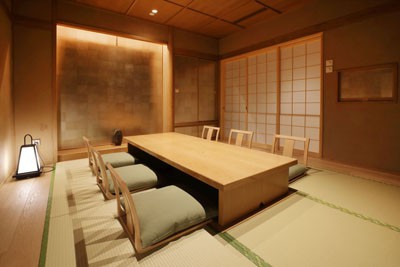
TEL 6591-7624 WhatsApp 9056 0864 (月曜は定休日の為、メッセージの送信はお控えくださいますようお願い致します)https://reserve.toreta.in/akanerestaurant
ファミリーレストラン「どんぐり」
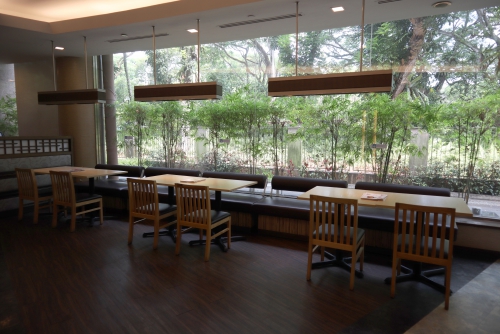
ご家族で気軽に楽しめるファミリーレストラン。
お子様向けの商品も充実しています。
Tel: 6467 3968 Email: donguri@jas.org.sg
ラウンジ
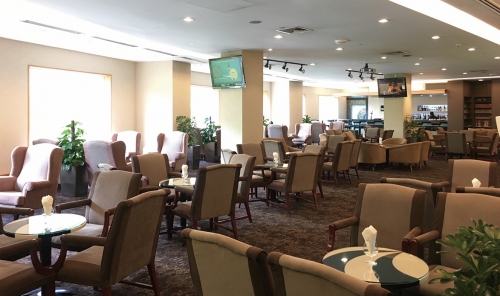
ゆったりとした空間で落ち着いてくつろげるラウンジは、打ち合わせなどに最適です。のんびり過ごしたい時などにも、是非ご利用ください。
TEL 6591 8138
クラブショップ
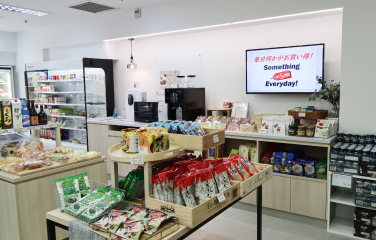
会員・非会員ともにご利用いただけます。さまざまな食料品、日用品、日本人会グッズなどをご用意しております。
TEL 6591-8139
娯楽施設(欅ルーム・カラオケ・ゲーム)
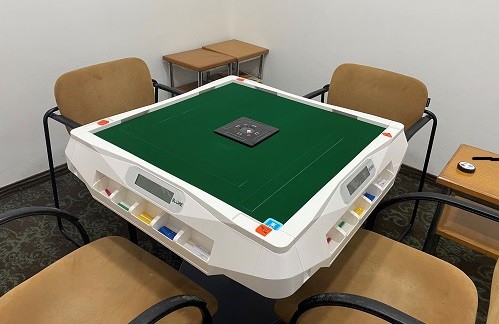
日本語・英語・中国語の幅広い曲目がお楽しみいただけるカラオケルームや3室のゲーム(マージャン)ルームをご用意しております。
シンガポール
日本人会クリニック
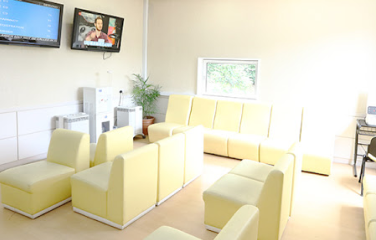
日本から派遣された日本人医師と日本語で対応できるシンガポール人医師による一般診療を行っています。
TEL 6469-6488 日本語専用 6467-0070
GROUP
同好会
活動内容を紹介しています。
入部及び見学をご希望の方は、お気軽に
お問い合わせ下さい。
部会直属活動グループ
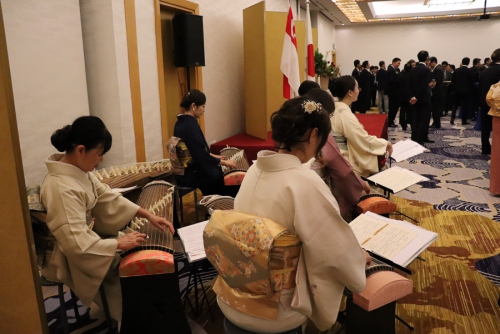
同好会
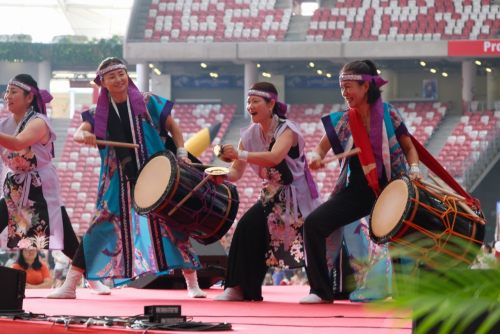
関連団体